Somalia Vs. Somaliland:Two Paths Since 1991 — One Rebuilding a State, the Other Proving It Already Exists
For 34 years, two different political realities have existed in the same Somali peninsula.
When the regime of Mohamed Siad Barre collapsed in 1991, Somalia descended into state failure. Institutions vanished. Militias replaced the army. Foreign troops arrived under missions like African Union Mission in Somalia, later replaced by African Union Support and Stabilization Mission in Somalia. Billions were spent trying to rebuild a fragile federal system still battling al-Shabaab and political fragmentation.
But in the northwest, something different happened.
Somaliland did not wait for foreign blueprints. It convened clan elders, intellectuals, and community leaders. It reconciled internally. It drafted a constitution approved by public referendum in 2001. It held multiparty elections. It witnessed peaceful transfers of power — including the 2024 election of Abdirahman Mohamed Abdullahi Irro.
No foreign peacekeeping army.
No endless transitional governments.
No provisional constitution lasting decades.
Just slow, deliberate state-building.
In December 2025, Israel became the first country to formally recognize Somaliland. The reaction was immediate and heated. Mogadishu condemned it. Regional actors warned of precedent. Diplomacy trembled.
But here is the uncomfortable truth:
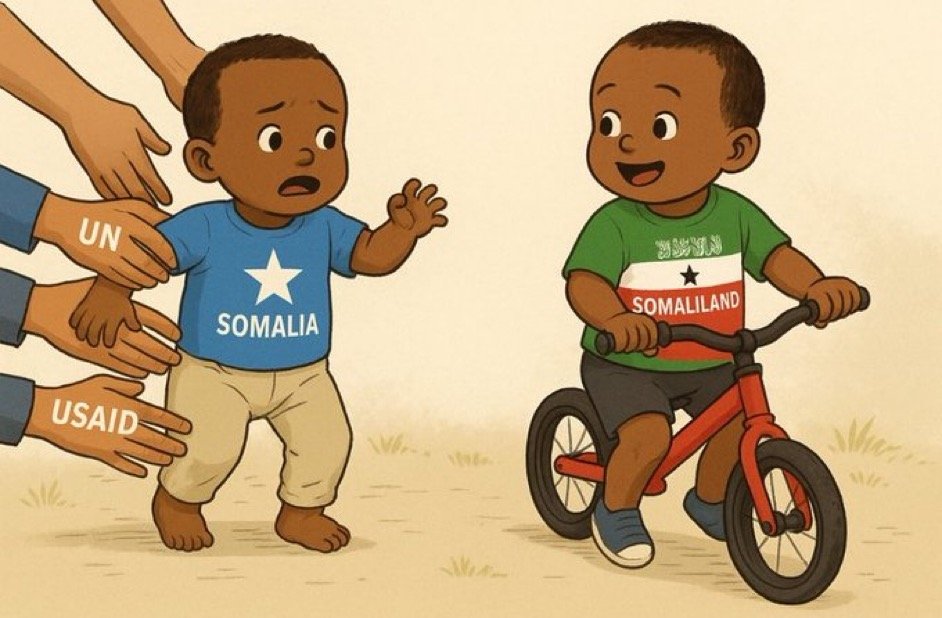
Somalia is internationally recognized but internally fragile.
Somaliland is internally stable but internationally contested.
One has recognition without full consolidation.
The other has consolidation without recognition.
Since 1991, Somalia has struggled to rebuild from collapse through externally supported federalism. Somaliland has built bottom-up governance rooted in local legitimacy.
Recognition debates will continue. Diplomacy will evolve. But facts on the ground matter. For over three decades, Somaliland has demonstrated peace, electoral competition, and institutional continuity in one of the world’s most volatile regions.
History is watching the Horn of Africa.
And history tends to reward stability, accountability, and political maturity.
About the Author
