By Prof. Nassir Hussein Kahin.
Executive Summary
Somaliland is rapidly emerging as a strategic focal point in the Horn of Africa, driven by its geographic position along the Gulf of Aden, its alignment with Taiwan and Israel, and its potential role in U.S. security strategy. The growing debate in Washington over recognition reflects broader geopolitical competition, particularly with China, Turkey, and regional actors.
This paper argues that U.S. recognition of Somaliland is no longer a symbolic diplomatic issue but a strategic decision with implications for global trade routes, regional stability, and great power competition.
1. Strategic Importance of Somaliland
Somaliland’s location near the Bab El-Mandeb Strait places it at the center of global maritime trade. Control and influence over this corridor affect:
- Energy shipments between the Middle East and Europe
- Military mobility between the Mediterranean and Indo-Pacific
- Anti-piracy and counterterrorism operations
Additionally, Somaliland has offered:
- Potential basing rights for U.S. forces
- Access to critical minerals such as lithium
- A stable governance model compared to Somalia
2. Israel’s Recognition and Its Implications
Israel’s recognition of Somaliland represents a strategic recalibration in the Red Sea region. Key motivations include:
- Monitoring Iranian and Houthi activity in Yemen
- Countering Turkish and Iranian influence in Somalia
- Expanding diplomatic alliances beyond the Middle East
This move elevates Somaliland from a regional issue to a global strategic node, while also increasing security risks through potential retaliation by hostile actors.
3. U.S. Policy Dilemma
The United States faces a critical decision:
Option A: Maintain Status Quo
- Continue supporting Somalia’s territorial integrity
- Avoid diplomatic friction with African Union and regional actors
- Risk losing influence to China, Turkey, and Gulf states
Option B: Recognize Somaliland
- Secure a strategic foothold in the Red Sea
- Strengthen partnerships with Taiwan and Israel
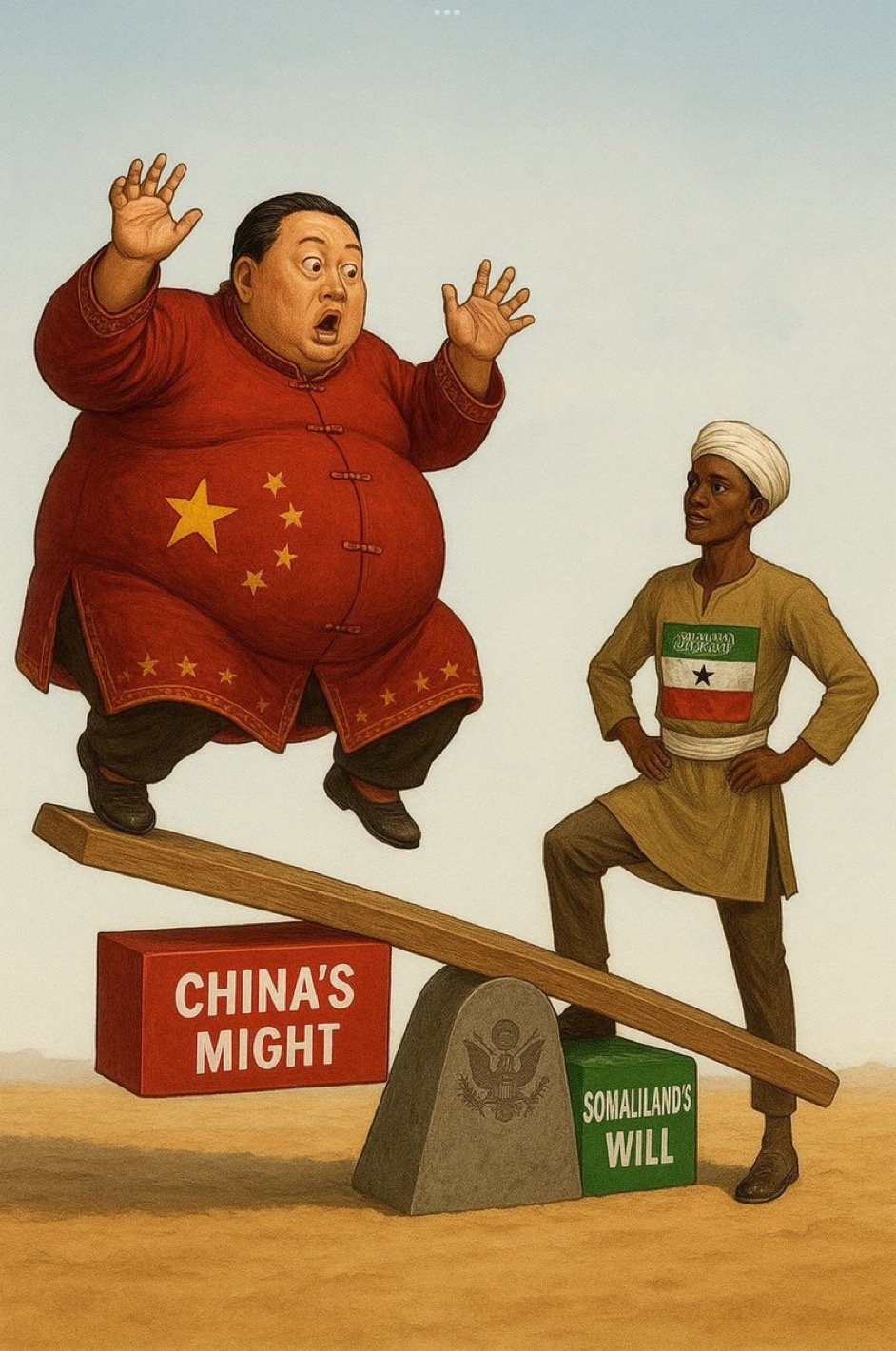
- Counter Chinese expansion in East Africa
- Reinforce democratic credibility
4. Regional and Global Competition
Somaliland sits at the intersection of competing alliances:
- Somaliland: Aligning with U.S., Israel, Taiwan, UAE
- Somalia: Supported by Turkey, Egypt, and others
- China & Russia: Expanding influence across Africa
This dynamic risks transforming the Horn of Africa into a proxy arena for global rivalry, increasing both opportunity and instability.
5. Risks and Challenges
Recognition is not without risks:
- Diplomatic backlash from Somalia and African Union
- Potential retaliation from extremist groups
- Escalation of regional tensions involving Egypt, Turkey, and others
- Precedent concerns for other breakaway regions
6. Policy Recommendations
- Phased Engagement Strategy
- Establish a U.S. representative office in Hargeisa
- Issue separate travel advisories
- Security Cooperation
- Expand counterterrorism and maritime partnerships
- Explore limited basing agreements
- Multilateral Diplomacy
- Engage African Union and regional partners to mitigate backlash
- Conditional Recognition Pathway
- Tie recognition to governance benchmarks and regional stability commitments
Conclusion
Somaliland is no longer a peripheral issue in U.S. foreign policy. It represents a strategic opportunity and a geopolitical test.
Recognition would signal a shift toward pragmatic, interest-based diplomacy in the Horn of Africa. Failure to act risks ceding influence to rival powers in one of the world’s most critical regions.
The decision facing Washington is clear:
Shape the future of the Horn of Africa—or watch others define it.

Prof. Nassir Hussein Kahin is a researcher, educator, journalist, and geopolitical analyst specializing in the Horn of Africa, the Red Sea, international law, diplomacy, and strategic affairs. To read Full Bio click on this link: ABOUT THE AUTHORProf. Nassir Hussein Kahin