By Prof. Nassir Hussein Kahin
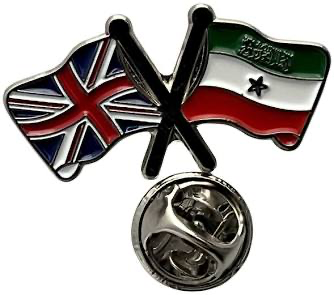
The recent Telegraph article, “British Failure to Recognise Somaliland Helps China in Africa,” is one of the clearest signs yet that Somaliland’s question of international recognition is no longer a small regional issue. It has become part of a much larger geopolitical struggle involving Britain, China, the United States, the Red Sea, and the future balance of power in Africa.
What makes the article especially important is not only its message, but also its author.
The article was written by Jake Wallis Simons, a respected columnist, broadcaster, foreign correspondent, and former editor of the Jewish Chronicle. Simons has reported from conflict zones and geopolitical hotspots around the world for major international media organizations including The Telegraph, the Daily Mail, and the BBC. He has also presented documentaries for BBC Radio 4 and the World Service and regularly appeared on “From Our Own Correspondent.” In addition, he co-hosts “The Brink” podcast alongside former British Parachute Regiment officer Andrew Fox, where they discuss global conflict, security, and geopolitical affairs.
Because of his background in international reporting and strategic analysis, Simons’ article carries greater weight than a typical opinion piece. His writing reflects growing concern within sections of Britain’s political, media, and security establishment that the UK is making a serious strategic mistake by refusing to recognize Somaliland.
The central argument of the article is straightforward but powerful: Britain’s hesitation is helping China increase its influence in Africa and the Red Sea region while weakening Britain’s own long-term interests.
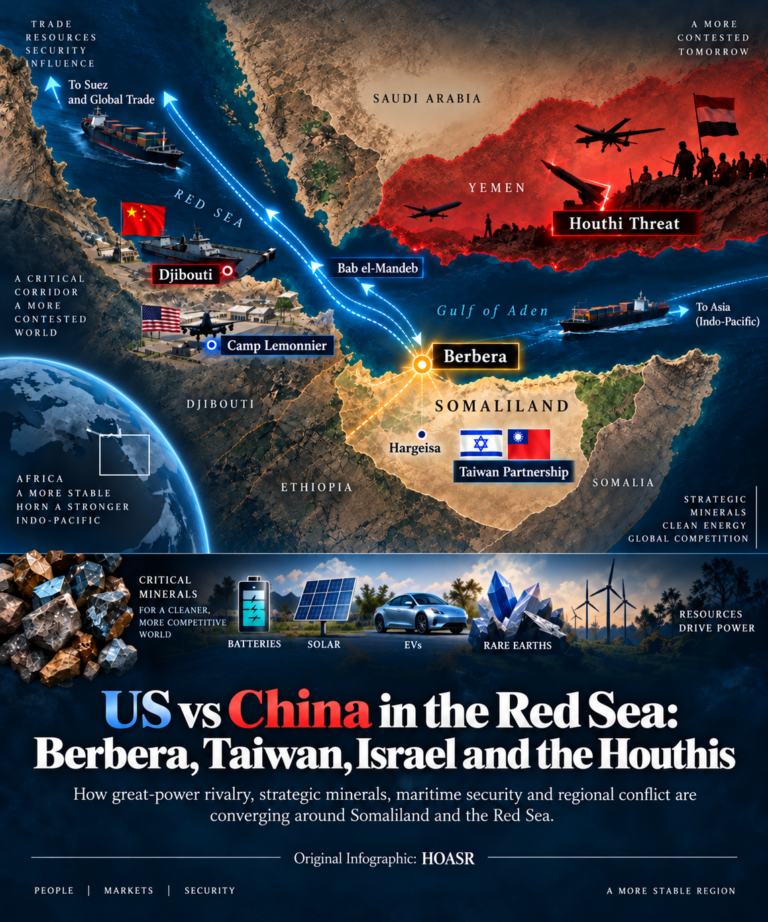
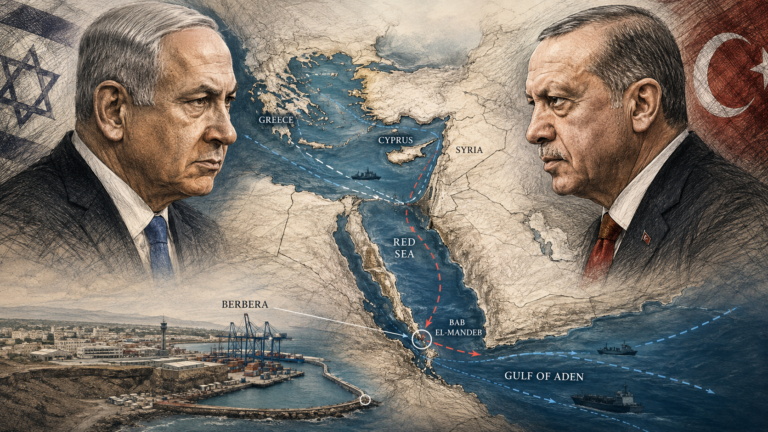
This argument is highly significant because the Horn of Africa has become one of the world’s most important geopolitical regions. Somaliland lies along the Gulf of Aden near the Bab El-Mandeb Strait, one of the busiest and most strategic shipping routes in the world. Ships carrying oil, trade goods, food supplies, and international cargo pass through this corridor every day. Any country with influence in this area gains major economic and military advantages.
Simons argues that while China, Gulf states, Turkey, Ethiopia, Israel, and the United States are all moving quickly to build stronger relations with Somaliland, Britain remains trapped in an outdated policy that no longer reflects reality.
That reality is difficult to deny.
Since 1991, Somaliland has operated as a self-governing state with its own government, military, police, currency, elections, and institutions. Unlike Somalia, which has faced decades of instability and conflict, Somaliland has maintained relative peace and democratic governance through local reconciliation and political compromise.
This difference is one reason why many Western politicians increasingly support Somaliland’s recognition.
Among the strongest supporters is Sir Gavin Williamson who has repeatedly argued in the British Parliament that Somaliland deserves recognition because of its stability, democratic system, and strategic importance.
Williamson warned:
“The time to recognise Somaliland is now — before it’s too late.”
That statement connects directly with the concerns raised in Simons’ article. Both argue that Britain is losing valuable time while rival powers expand their influence across the Horn of Africa.
The article also connects Somaliland’s issue to the wider global competition between Western democracies and authoritarian powers such as China.
China already has a military base in nearby Djibouti and continues investing heavily throughout Africa. Somaliland’s close relationship with Taiwan has also increased Chinese pressure against Hargeisa. This is why some American politicians now openly support Somaliland.
US Senator Ted Cruz described Somaliland as:
“A critical security and diplomatic partner for the United States.”
These statements show that Somaliland is becoming increasingly important in international security discussions. In fact, the Somaliland Recognition Act Bill, introduced by Republican Congressman Perry Scott and supported by a majority of republicans in both houses of US Congress, is slowly inching towards Trump’s desk for a formal recognition of Somaliland-that is, if the bill passes both chambers.
Another important point raised indirectly by Simons’ article is Britain’s historical responsibility toward Somaliland. Somaliland was once the British Somaliland Protectorate and became independent on June 26, 1960 before voluntarily uniting with Somalia. After the collapse of that union following dictatorship, civil war, and atrocities, Somaliland restored its sovereignty in 1991.
Many Somalilanders believe Britain understands this history better than any other Western country. For that reason, Britain’s refusal to recognize Somaliland often creates disappointment and frustration among Somaliland’s people and diaspora communities.
The Telegraph article therefore reflects a growing belief that Britain’s Somaliland policy is becoming politically, morally, and strategically difficult to defend.
The article is also important because it shows how mainstream British media discussions are changing. For many years, Somaliland rarely received serious attention in major international newspapers except during crises or humanitarian emergencies. Today, however, Somaliland is increasingly discussed in terms of global trade, military strategy, Maritime Security, Democracy, and international competition.
That shift matters.
It suggests Somaliland is no longer viewed simply as a regional African issue, but as a strategic actor in a rapidly changing geopolitical world.
Jake Wallis Simons’ article captures this transformation clearly. His message is that Britain now faces a major decision: either recognize Somaliland and strengthen a democratic ally in one of the world’s most important regions, or continue delaying while rival powers shape the future of the Horn of Africa instead.
The broader warning behind the article is unmistakable:
History is moving quickly, and Britain may soon discover that waiting too long carries its own geopolitical consequences.

Prof. Nassir Hussein Kahin is a researcher, educator, journalist, and geopolitical analyst specializing in the Horn of Africa, the Red Sea, international law, diplomacy, and strategic affairs. To read Full Bio click on this link: ABOUT THE AUTHORProf. Nassir Hussein Kahin