Somaliland's Quest for Recognition
By David Nyang, former Minister of State for Upper Nile, South Sudan
In a corner of East Africa often synonymous with chaos, Somaliland stands as a quiet defiance of the odds. Emerging from the collapse of Somalia in 1991, it didn’t just declare independence—it built it.
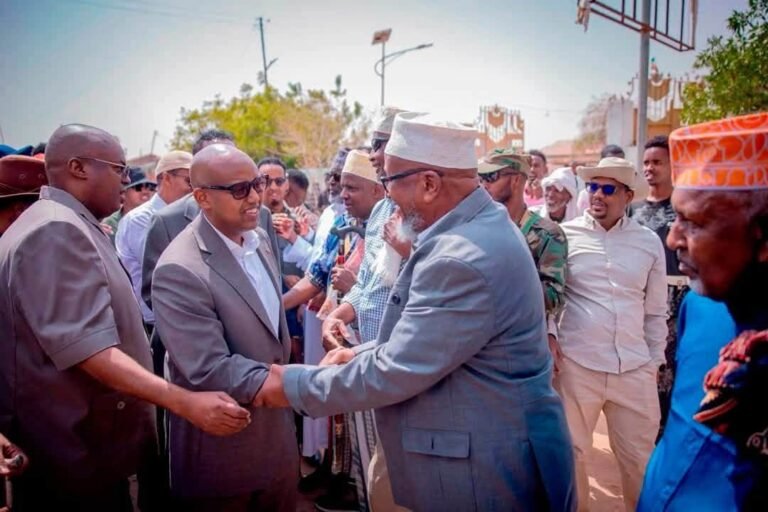
While other post-conflict societies fractured further into cycles of vengeance, Somaliland chose reconciliation. Clan elders, not foreign mediators, brokered peace through grassroots dialogue, disarming militias and stitching together a social contract woven from tradition and Democracy. It’s a lesson South Sudan—and many others—have yet to learn.
Three decades later, Somaliland’s achievements are undeniable. It holds democratic elections, sees peaceful transfers of power, and operates a hybrid governance system where an elected government works alongside a House of Elders—a structure that has quelled the clan-based violence plaguing much of the continent.
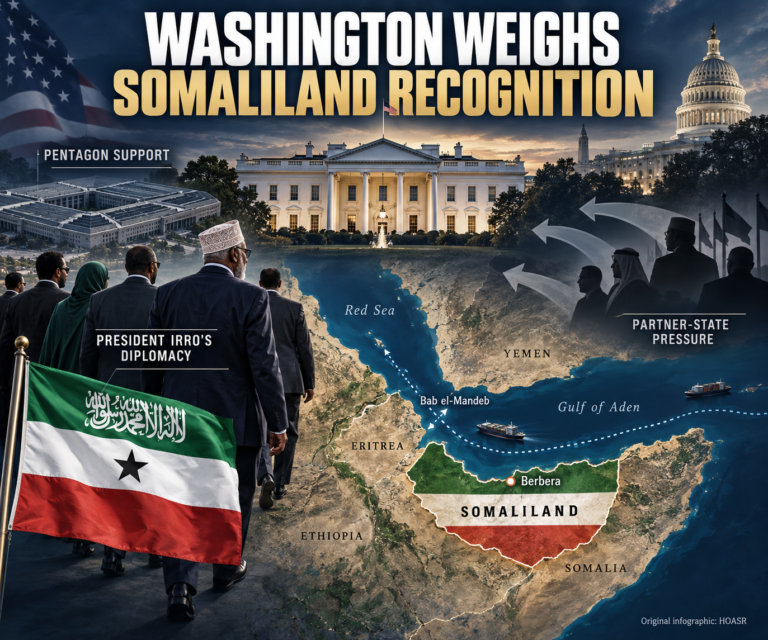
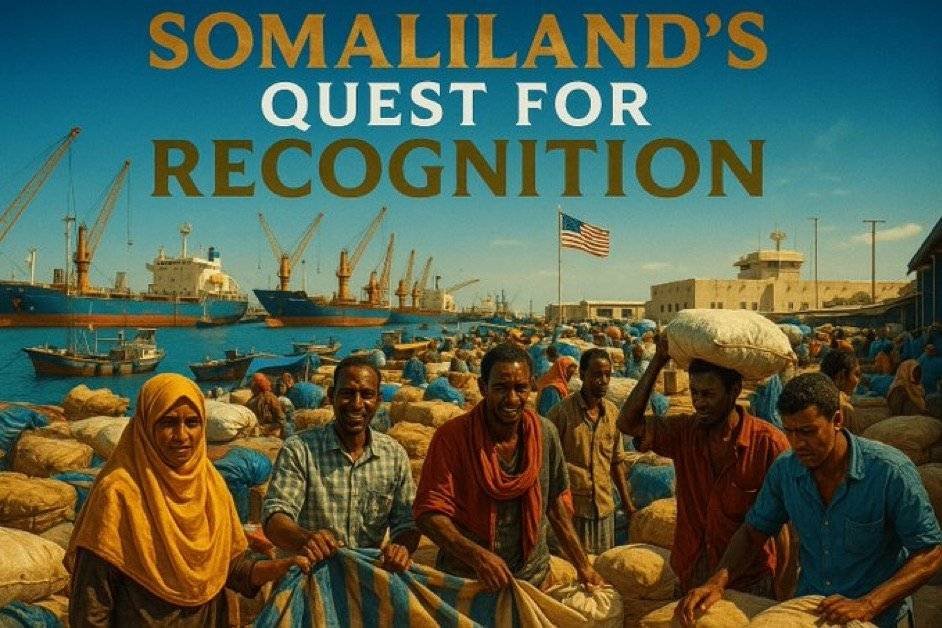
Without relying on foreign aid, it built functioning institutions, its own currency, a disciplined military, and even pioneered a thriving mobile banking system. The port city of Berbera, now under expansion, could soon become a vital trade lifeline for landlocked Ethiopia and beyond.
Yet the world refuses to see it.
Somaliland’s sovereignty isn’t just a claim—it’s a proven reality. It has a defined territory, a permanent population, a functioning government, and the capacity to engage with other states. By every legal measure, it qualifies as a nation.
But geopolitics, fear of setting precedents, and the stubborn adherence to colonial-era borders have left it in limbo. Regional leaders, particularly in Somalia and the African Union, bury their heads in the sand, pretending Somaliland doesn’t exist. The international community, meanwhile, prioritizes stability over justice, ignoring a people who forged peace with their own hands.
Recognition isn’t just about a seat at the United Nations—it’s about access to vaccines, development loans, and the basic dignity of being seen. Somaliland is more stable and democratic than many recognized states in the region, including some of its neighbors.
Its model—homegrown peacebuilding, blending traditional conflict resolution with modern governance—should be studied, not sidelined. Why does Africa shy away from embracing its success? Why does the world continue to look away after 35 years?
The answer lies in politics, not principle. But Somaliland’s patience is not infinite. Its people built a nation; the world’s refusal to acknowledge it won’t erase what they’ve achieved. The question is no longer whether Somaliland deserves recognition—but how much longer the world will deny what already exists. For further insight click on the link below: