 By Prof. Nassir Hussein Kahin.
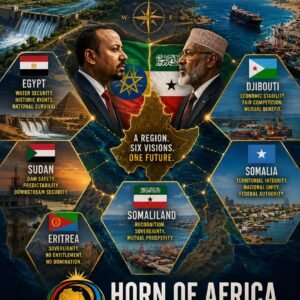
In the heart of the Horn of Africa, the winds of change are blowing. After decades of being overshadowed by the chaos of its southern neighbor, Somaliland is stepping boldly into the global spotlight. With unwavering resolve, it is demanding what it has long deserved: international recognition as a sovereign state.
This demand is no longer a distant dream. In Washington, U.S. Congressman Scott Perry has fired the first salvo, introducing H.R. 10402—a bill to officially recognize Somaliland. Backed by a Republican majority, Perry’s initiative signals a seismic shift in U.S. policy. Meanwhile, across the Atlantic, British heavyweight Gavin Williamson and other prominent lawmakers are urging their government to follow America’s lead.
“The time for Somaliland’s recognition is now,” declared Perry in a statement that has sent shockwaves through diplomatic circles. “Somaliland stands as a beacon of Democracy, stability, and governance in a region desperate for exactly those qualities.”
Williamson, equally impassioned, described Somaliland as a “crucial ally in the fight for stability and security in the Horn of Africa,” urging the UK to “stand on the right side of history.”
Breaking the Chains of “One Somalia”
For over three decades, Somaliland has been trapped in the shackles of the outdated “One Somalia” policy—a relic of Cold War geopolitics that clings stubbornly to the illusion of Somali unity. This policy, propped up by billions in international aid, has yielded little but corruption, insecurity, and failure in Mogadishu.
Somalia’s federal system is disintegrating. Jubaland and Puntland are edging toward independence, while Al-Shabaab continues its reign of terror. Yet the international community remains fixated on pouring resources into this failed state, ignoring Somaliland’s extraordinary achievements.
“It’s madness,” Perry exclaimed. “We are investing in chaos while overlooking a stable, democratic partner that has done everything right.”
Somaliland: An Exceptional Case
Unlike other separatist movements, Somaliland’s claim to sovereignty is rooted in history and legality. Formerly a British protectorate, it gained independence in 1960 before voluntarily uniting with Somalia—a union that collapsed in the ashes of civil war in 1991. Since then, Somaliland has charted its own course, building a thriving democracy and maintaining peace in one of the world’s most volatile regions.
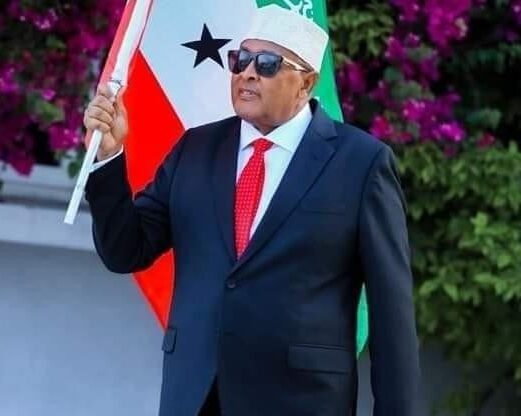
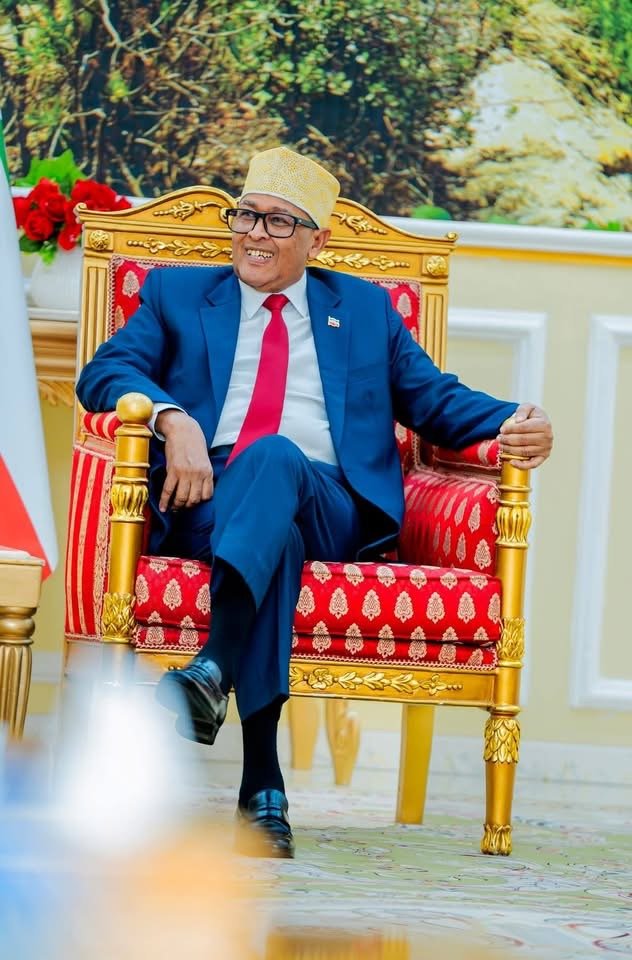
This past year, Somaliland reaffirmed its democratic credentials through a Peaceful Transfer of Power to President Dr. Abdirahman Mohamed Abdullahi “Ciro.” International observers hailed the election as a triumph for governance, with Perry calling it “a beacon of hope in a region desperate for such examples.”
Williamson agrees. “Somaliland is not just another case—it’s the case. Its recognition would uphold the principles of self-determination and reward decades of democratic resilience.”
Geopolitical Power Play
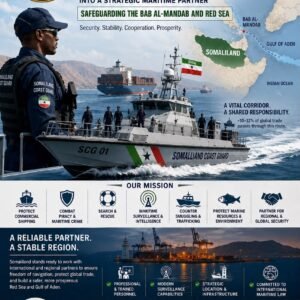
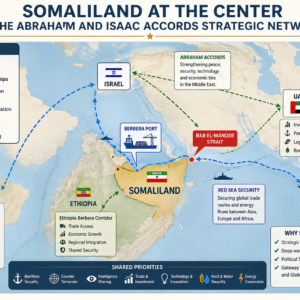
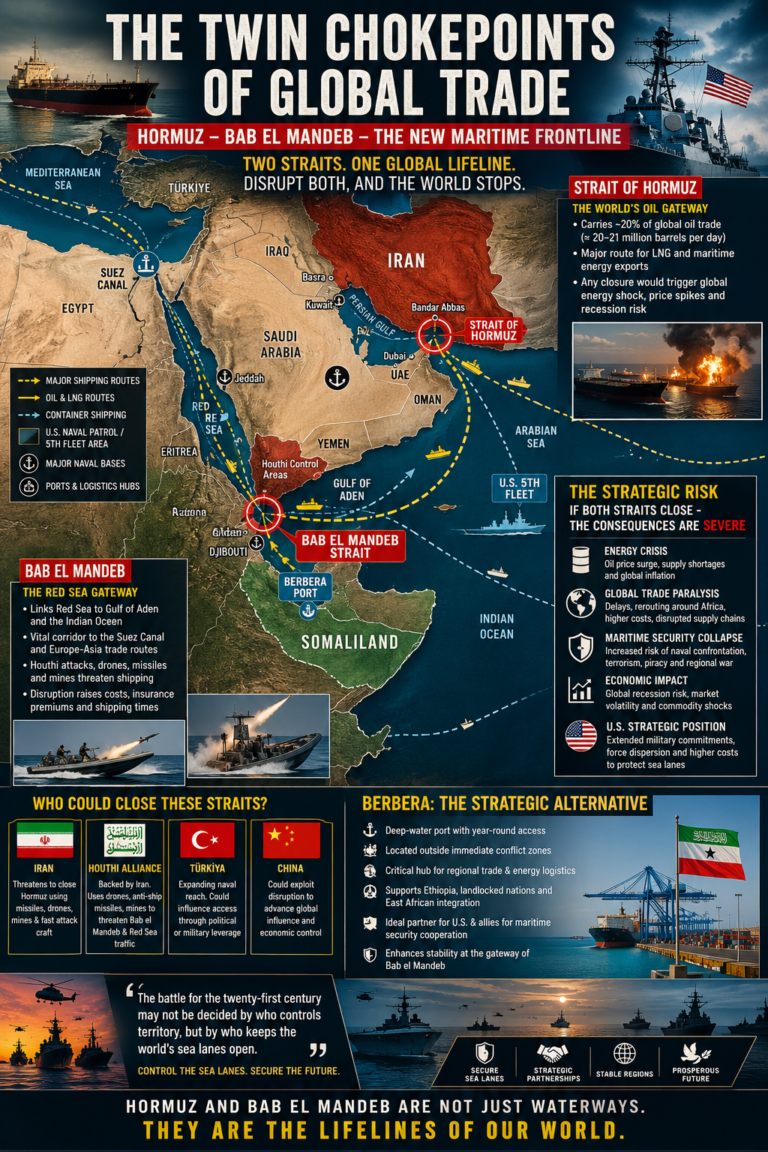
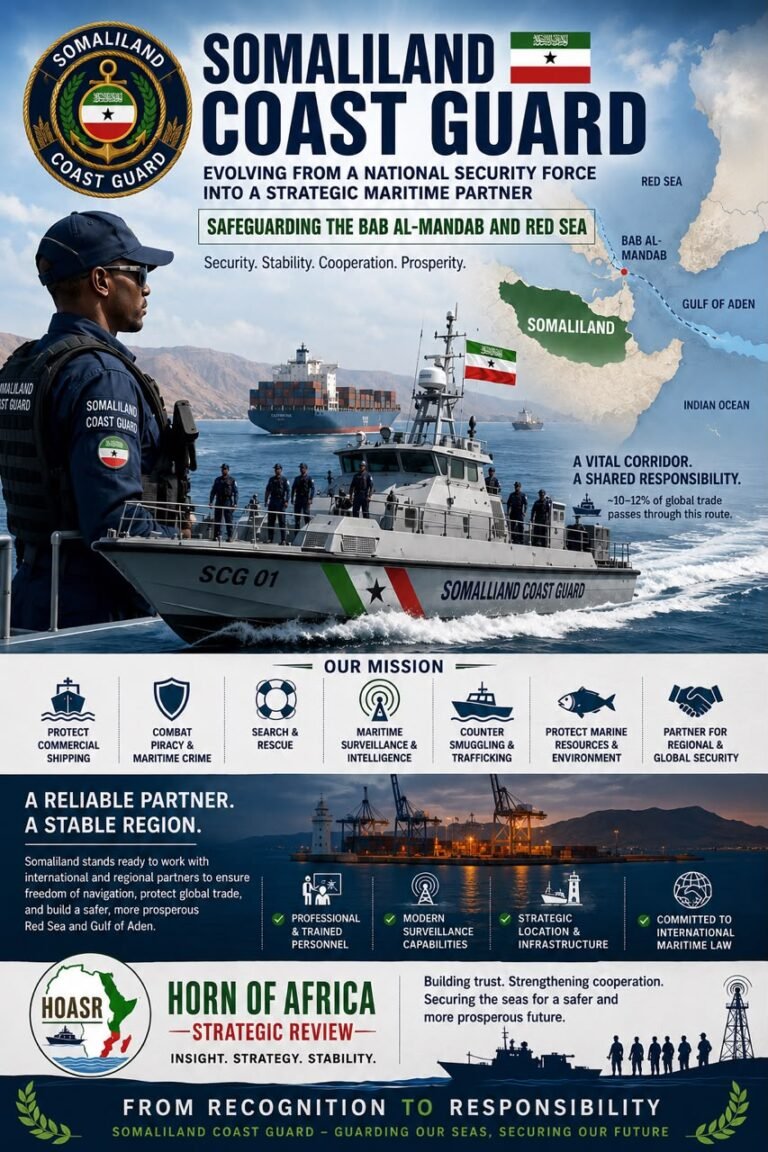
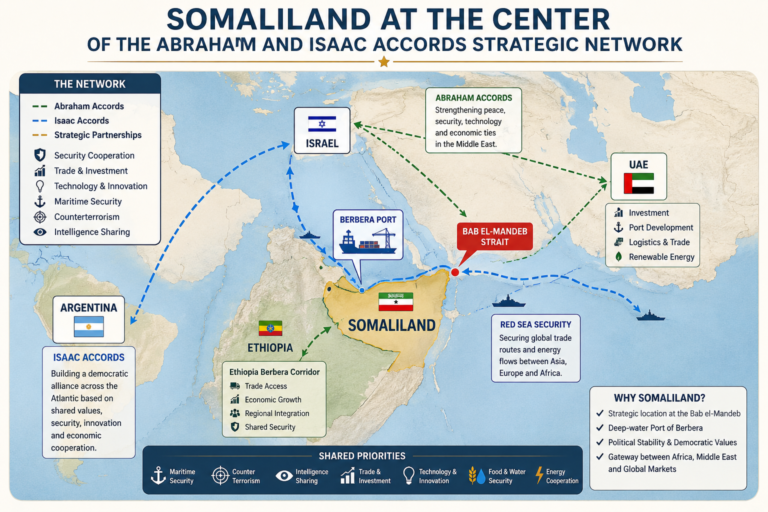
Beyond its moral and legal claims, Somaliland’s strategic importance is undeniable. Its position at the gateway to the Red Sea places it at the center of global trade routes. The port of Berbera, a rising economic hub, offers a vital alternative to Djibouti, where Chinese influence is growing unchecked.
A U.S. military presence in Somaliland, anchored at Berbera, could shift the balance of power in the region. Perry was blunt: “Recognizing Somaliland is not just the right thing to do—it’s the smart thing to do. It strengthens our hand in a region where global competition is intensifying.”
Williamson underscored this point, warning of the consequences of inaction. “Failing to recognize Somaliland risks ceding the region to forces that do not share our values. This is a moment for bold leadership.”
The Moral Imperative
Somaliland’s resilience is nothing short of extraordinary. While Somalia has descended into chaos, Somaliland has stood tall, proving that African nations can achieve stability and governance when given the chance.
President Abdirahman Mohamed Abdilahi Ciro, has scored
Yet, the international community remains paralyzed, unwilling to abandon the failed policies of the past. The African Union, which recognized Somaliland’s unique case in a 2005 fact-finding mission, has done nothing to act on its findings.
“This is a moral failure,” Perry argued. “Somaliland has waited long enough. It has proven itself, time and again, as a partner we can trust.”
A Historic Opportunity
Somaliland is no longer asking for recognition—it is demanding it. With voices like Perry’s and Williamson’s growing louder, the question is no longer if Somaliland will be recognized but when.
For the U.S. and UK, this is a chance to realign their policies with reality. Recognition would affirm their commitment to democracy and stability, while securing a strategic foothold in a region vital to global trade.
For Somaliland, recognition would open the doors to development, investment, and international cooperation. More importantly, it would affirm the sovereignty of a proud and resilient people who have waited over 30 years to take their rightful place on the world stage.
“The world cannot afford to ignore Somaliland any longer,” Williamson declared. “The time to act is now.”
Conclusion
The drums of recognition are beating louder. Somaliland has proven itself a nation worthy of respect, partnership, and sovereignty. For those who stand with it, this is more than a political decision—it is a moral imperative.
Somaliland’s story is not just one of survival—it is one of triumph. The world must listen, for in the Horn of Africa, a nation awaits its moment in history
Prof. Nassir Hussein Kahin is a researcher, educator, journalist, and geopolitical analyst specializing in the Horn of Africa, the Red Sea, international law, diplomacy, and strategic affairs. He is the Founder, Managing Editor, and Publisher of Horn of Africa Strategic Review (HOASR), an independent digital publication dedicated to providing in-depth analysis of regional and global developments affecting Somaliland, the Horn of Africa, and the wider Red Sea basin. Read Full Bio on ABOUT AUTHOR Page
- hornofafricastrategicreview.com

- hornofafricastrategicreview.com
- hornofafricastrategicreview.com
- hornofafricastrategicreview.com