Traditional Conflict Management
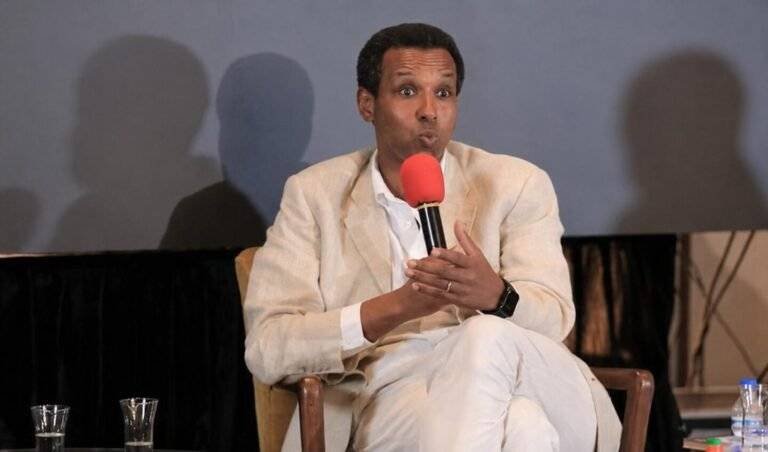
By Prof. Nassir Hussein Kahin, Political Analyst, International Affairs Writer and, Executive Managing Editor, Bridgingsomaliland.
The Ethiopia–Somaliland Memorandum of Understanding (MoU), signed on January 1, 2024, remains one of the most consequential—and controversial—developments in Somaliland’s decades-long pursuit of international recognition. It brought newfound momentum to the quest for statehood and attracted global attention. Former President Muse Bihi Abdi, under the Kulmiye party, was widely praised by supporters for pushing the recognition agenda to the global forefront, taking a bold diplomatic leap by engaging Ethiopia directly. Yet the manner in which the MoU was conceived and unveiled has left a legacy of mistrust, particularly around its transparency and inclusivity.
Despite its potential historic impact, the MoU process sidelined Somaliland’s formal institutions. Lawmakers were not briefed before the agreement was signed, and to this day, the official text remains classified. No parliamentary debate was held, and no public forum was convened to consult citizens or clan elders. The secrecy surrounding the deal has not only undermined institutional oversight, but has also deepened the political divide within Somaliland.
Ironically, those who once dismissed criticism of the MoU’s secrecy—namely the Kulmiye Party—are now at the forefront of calls for greater transparency under the Wadani-led government of President Muse Bihi’s successor, President Abdirahman Mohamed Abdillahi Irro, Muse Bihi’s longtime rival.
While the Wadani party, in opposition, had strongly denounced Bihi for bypassing democratic channels, it has yet to fulfill its own promise of releasing the MoU text or engaging parliament and the people in an open dialogue.
This role reversal reveals a broader dilemma in Somaliland politics: a recurring pattern where parties, once in power, retreat from transparency under the pretext of national interest, leaving the public in the dark and feeding cycles of distrust.
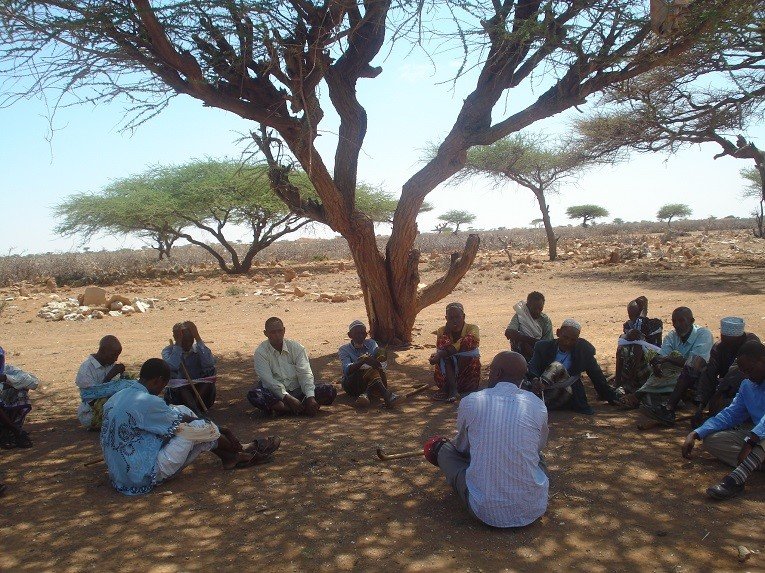
Tensions are not confined to the political elite. In the western Awdal region, traditional elders, local leaders, and armed groups have emerged as vocal opponents of the MoU. Their resistance stems not just from economic grievances, but from fears about the erosion of sovereignty and the rumored establishment of an Ethiopian naval base on Somaliland’s coast.
Elder councils in Lughaya and Borama have publicly condemned the deal, while some clan-based militias have warned against any foreign military footprint in their territories. These statements reflect deeper anxieties about how foreign agreements may compromise regional autonomy and long-standing claims to local land.
Civil society actors and Somaliland’s online diaspora have amplified these concerns. Many accept the pragmatic value of granting Ethiopia commercial access to Berbera Port as part of regional trade and transit cooperation. But there is a near-universal rejection of any military component, especially if it involves ceding long-term basing rights or coastline sovereignty.
The core demand echoed across forums is simple: democratic legitimacy. If the MoU truly advances Somaliland’s national interests, then why not share its contents and bring the people into the fold? Why fear transparency unless there is something to hide?
However, it very important to mention here, that the secrecy may stem from legitimate national security considerations. The deal likely includes clauses that touch upon sensitive geopolitical and military matters— details that, if prematurely disclosed, could invite foreign sabotage or undermine Ethiopia’s political leverage against regional adversaries such as Egypt, Turkey and Somalia. But secrecy, in and of itself, cannot be a long-term shield. It erodes confidence, weakens internal consensus, and hands adversaries the very weapon they seek to divide Somaliland from within.
There are historical precedents that offer both warning and guidance. Kosovo, South Sudan, and Taiwan all faced similar diplomatic dilemma where recognition came at the price of secrecy and external alignment. In each case, success depended not just on what was agreed with foreign powers, but how those agreements were perceived and supported at home. Without national consensus, no agreement—however ambitious—can stand the test of time.
President Irro and his administration now face a similar delicate moment. Before any official implementation of the MoU or ceremonial signing in Addis Ababa, the government must consider restoring institutional integrity—by consulting with parliament, engaging civil society, and listening to regional actors like Awdal. Even a partial declassification of the MoU — shared with legislative committees under oath — would restore a measure of trust. Equally important is for the Irro administration to press Ethiopia for clarity: Is recognition still on the table? Under what terms? The people have a right to know.
At stake is not just a port deal agreement or a path to recognition—it is Somaliland’s unity, legitimacy, and democratic integrity. Its adversaries, from Mogadishu to Cairo, are watching closely, eager to exploit internal divisions.
The Irro government must not give them that opportunity. If Somaliland is to succeed in securing its rightful place in the international system, it must first secure the confidence and trust of its own people. Only then can the path to Addis Ababa become a path of unity—not conflict within.
Submit Pour Post Below & Have Your Say:
[user-submitted-posts]