Berbera-Logistics
By Prof. Nassir Hussein Kahin, Political Analyst, International Affairs Writer and, Excutive Managing Editor, Bridgingsomaliland.
In what is poised to be a historic geopolitical shakeup, Ethiopia is expected to finalize a revised Memorandum of Understanding with Somaliland before the end of 2025, granting Addis Ababa access to the Red Sea through Berbera while recognizing Somaliland’s full sovereignty over the port and its territory. This updated MoU marks a turning point—not only in the long-unresolved status of Somaliland but also in the balance of power in the Horn of Africa and the geopolitical-Red Sea region. According to diplomatic analysts, Ethiopia is likely to become the first country in Africa to formally recognize Somaliland as an independent state, a move that could set off a chain reaction of recognitions and regional realignments in the geopolitical-Red Sea context.
Understanding Geopolitical-Red Sea Implications
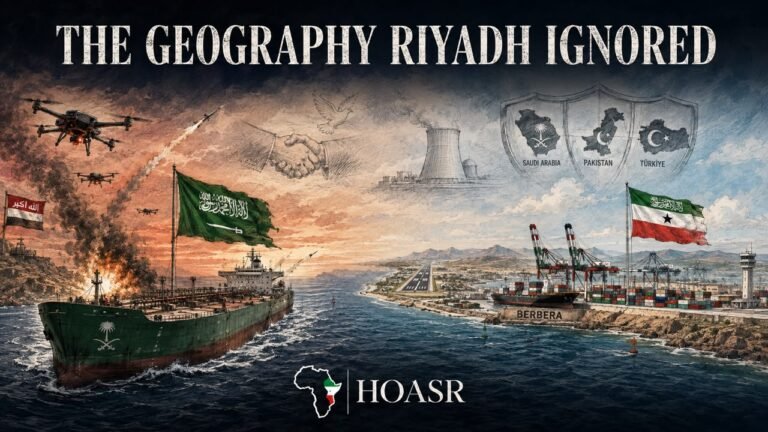
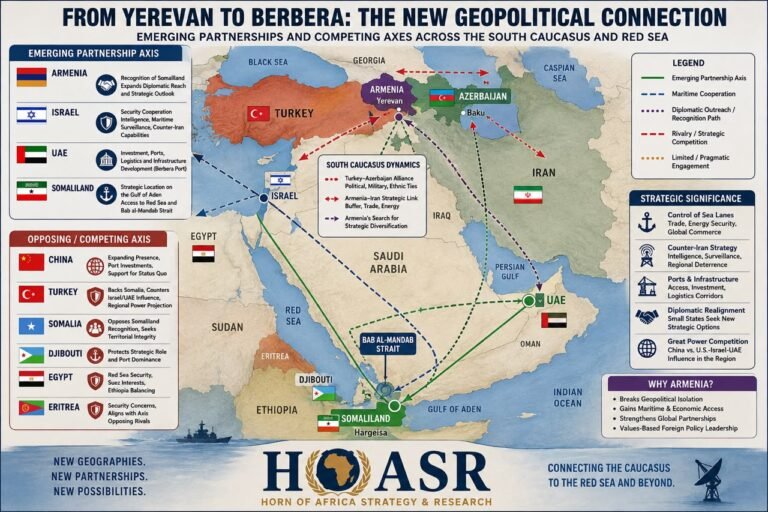
Behind the scenes, there are growing signs of coordinated diplomatic activities. The United States, the United Arab Emirates, and Israel are reportedly preparing to offer official endorsements shortly after Ethiopia’s move. While none have confirmed formal recognition just yet, well-placed sources suggest all three are laying the groundwork to follow suit. Quiet signals from Washington, Tel Aviv, and Abu Dhabi are already circulating among Western and Gulf policy circles, suggesting a strategic move to reward Somaliland’s democratic resilience and counter China’s influence through Djibouti and Mogadishu, impacting the geopolitical-Red Sea dynamics.
Once Ethiopia takes the lead, Kenya is expected to quickly follow. Nairobi has already shown signs of warming to Somaliland, and Djibouti—though traditionally aligned with Somalia—is under increasing pressure to recalibrate, especially as its economic dependency on China grows. The idea that early recognition could become normalized in East Africa is gaining traction, especially as regional capitals reassess the costs of tying their diplomacy to a Somali government struggling with internal instability and fragmentation, with implications for geopolitical-Red Sea interests.
But the consequences will not be welcomed by all. Somalia, backed by Egypt, Eritrea, and Turkey, is expected to respond by strengthening military and political alliances aimed at resisting the unraveling of the Somali federal framework. Plans are reportedly underway to deploy Egyptian peacekeepers under the African Union’s AUSSOM mission to replace departing Ethiopian forces, part of a wider strategy to reassert control and legitimacy in the geopolitical-Red Sea environment. Turkey, too, is preparing a final attempt at hosting new rounds of technical talks between Ethiopia and Somalia, though expectations are very low for any breakthrough that would reverse Somaliland’s rising diplomatic momentum.
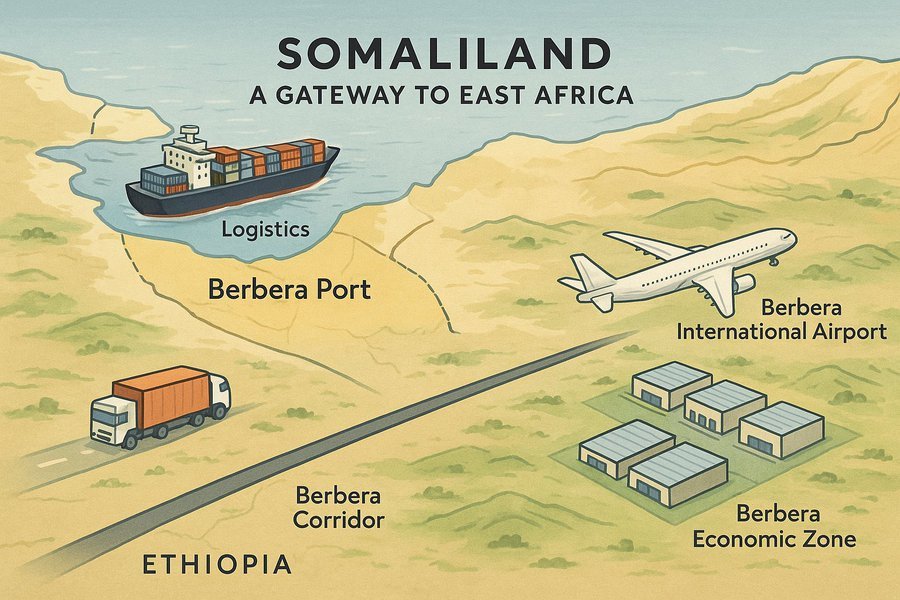
By mid-2026, formal recognition from the United States and several European Union countries is forecasted. For Washington, the calculus appears strategic: recognizing Somaliland would not only support a stable, democratic ally but also complicate and frustrate Chinese logistics across the Red Sea, further intertwining the geopolitical-Red Sea narrative. EU member states, many of which have already increased development assistance to Somaliland, are watching closely. The European Commission is reportedly preparing infrastructure investment packages, including the Global Gateway funding earmarked for the Berbera–Addis corridor—seen as a future trade artery linking East Africa to the Middle East and Europe.
Still, not everything will come easily. UN recognition may remain out of reach due to African Union(AU) opposition, particularly from Somalia-aligned members. Yet even in the absence of full UN membership, Somaliland could begin participating in international forums and development programs through special arrangements, granting it what some analysts call “mid-level recognition.” That status, though informal, would be a major diplomatic victory and open new financial, economic and security opportunities in relation to the geopolitical-Red Sea situation.
As the tide turns in favor of Somaliland’s international legitimacy, counter-forces are expected to escalate. The Somalia-Egypt-Eritrea-Turkey-China bloc is likely to intensify political pressure and even consider the deployment of military assets near disputed border zones in Sool and Sanaag regions of Somaliland. Djibouti, with Chinese backing, is already exploring alternative port routes to lure back Ethiopia through expanded Belt and Road investments—an effort by Djibouti and China to limit Berbera’s new dominance. Meanwhile, Al-Shabaab is likely to exploit the fragmentation and distraction, increasing attacks both against AUSSOM forces and Somali federal institutions in the broader geopolitical-Red Sea context.
Despite the risks, the most likely outcome remains a steady, calculated wave of recognition beginning with Ethiopia in late 2025 and expanding through 2026. The wildcard is violence on the horizon: border skirmishes or a resurgence of terrorism could disrupt infrastructure plans and scare off potential allies. Nevertheless, the trajectory is clear: Somaliland’s long quest for recognition is now closer than ever to a diplomatic breakthrough, but the path ahead demands strategic discipline. The agreements finalized in the coming months must include enforceable protections for Somaliland’s sovereignty and port governance. As the international spotlight intensifies, keeping regional tensions in check will be crucial to ensure this moment of opportunity is diligently converted into a lasting peace, progress, and prosperity for Somaliland within the geopolitical-Red Sea framework.
Geopolitical-Red Sea Dynamics in the Horn of Africa

Prof. Nassir Hussein Kahin is a researcher, educator, journalist, and geopolitical analyst specializing in the Horn of Africa, the Red Sea, international law, diplomacy, and strategic affairs. To read Full Bio click on this link: ABOUT THE AUTHORProf. Nassir Hussein Kahin