By Ambassador Ahmed Hassan Egal. Ambassador Egal is a contributing writer for the Horn of Africa Strategic Review and the founder of Horn of Africa Herald, an independent digital newspaper.
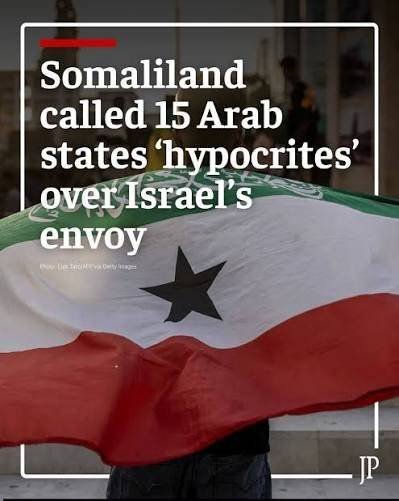
Somaliland President Abdirahman Mohamed Abdillahi Irro’s recent diplomatic and defence initiatives can be understood as part of a deliberate pre-emptive strategy shaped by a rapidly shifting regional security environment. Rather than waiting for potential threats to mature into actionable risks, Somaliland’s leadership moved early to alter the strategic landscape in its favour. The decision to formalize defence cooperation with the State of Israel reflects this anticipatory posture, signalling an effort to strengthen deterrence, secure external support, and complicate the calculations of actors who might consider coercive measures against the Republic of Somaliland.
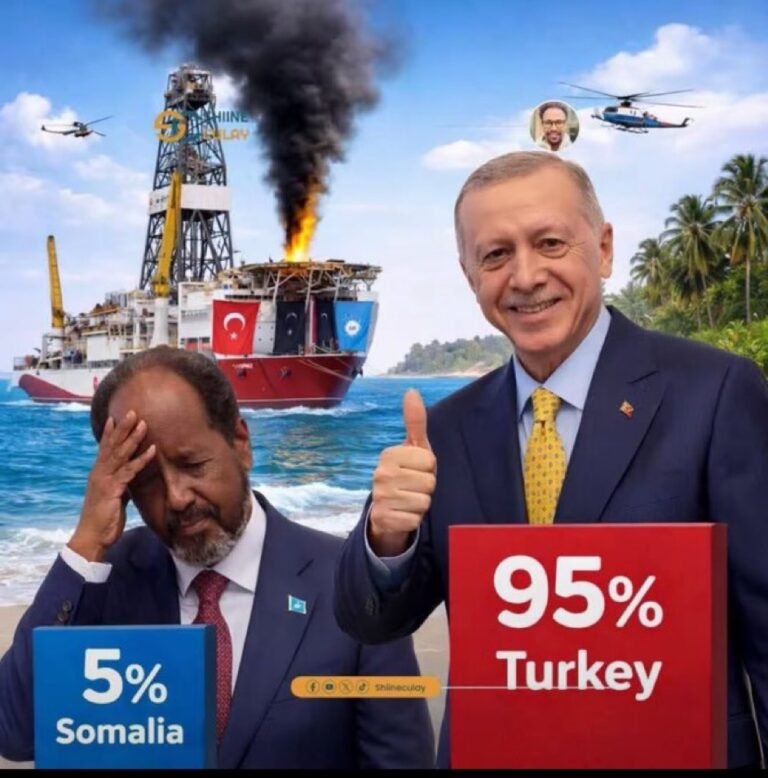
The broader environment in which these decisions were made was marked by heightened volatility. Somaliland faced increasing political hostility from Mogadishu, expanding Turkish and Egyptian military influence in the Horn of Africa, and intensified competition among regional powers for control over the Red Sea and Gulf of Aden corridors. These dynamics created conditions in which even unverified intelligence indicators could not be dismissed outright. Reports circulating within regional networks suggested the possibility of coordinated hostile planning involving figures aligned with Mogadishu, including alleged discussions with Turkish and Egyptian military elements. Although these reports remain unconfirmed and require verification through trusted channels, they nonetheless contributed to a sense of strategic urgency. In intelligence analysis, the plausibility of a threat, rather than its certainty, often drives pre-emptive action.
Within this context, Somaliland’s outreach to Israel served multiple strategic functions. It signalled a willingness to diversify security partnerships beyond traditional regional actors, thereby reducing Somaliland’s isolation and raising the political and military costs of any attempted aggression. It also provided access to advanced defence capabilities and intelligence cooperation that could enhance early-warning systems and strengthen Somaliland’s ability to detect and deter hostile activity. By acting before adversaries could consolidate their own alliances or operational plans, the President of the Republic of Somaliland sought to shape the environment rather than react to it.
Regional reactions further illustrate the complexity of the situation. Restricted reporting suggests that the presidents of Egypt and Turkey engaged in repeated diplomatic visits to Ethiopia, possibly to reassure Prime Minister Abiy Ahmed regarding their intentions toward Somaliland. However, Abiy reportedly rejected any proposal that could destabilize Ethiopia’s northern corridor or undermine its strategic interests. This divergence highlights the fragmented and often competing agendas that define security politics in the Horn of Africa.
Taken together, President Abdirahman Irro’s actions reflect a calculated effort to pre-empt emerging threats by strengthening alliances, enhancing deterrence, and positioning Somaliland more favourably within the regional balance of power. The strategy is not reactive but anticipatory, grounded in the recognition that shaping the environment early is often more effective than responding to crises after they unfold. In this sense, President Irro’s approach represents a deliberate attempt to secure Somaliland’s sovereignty and stability in an increasingly uncertain geopolitical landscape.
About the Author