
Let the leadership remember: The decisions they make today will not only shape the current headlines, but define the destiny of the nation for generations to come.
Somaliland Must Learn from History and Stand Firm Against Hasty Red Sea Deals.
By Prof. Nassir Hussein Kahin, Executive Managing Editor.
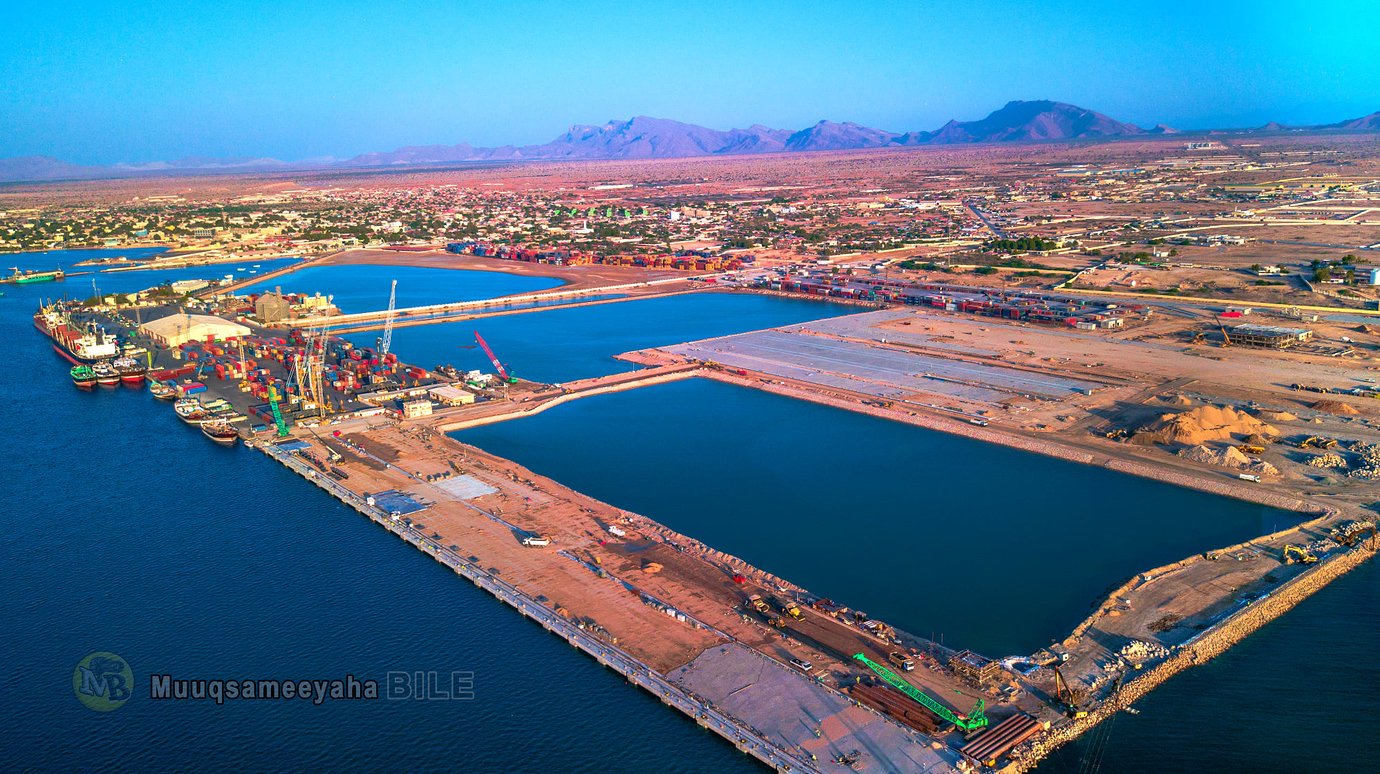
As President Abdirahman Mohamed Abdillahi “Irro” prepares to lead Somaliland’s foreign affairs team in an official meeting with Ethiopian Prime Minister Abiy Ahmed, the stakes could not be higher. This meeting comes in the wake of the controversial Memorandum of Understanding (MoU) signed in January 2024 by former President Muse Bihi Abdi, which proposed leasing Somaliland’s strategic Red Sea access—including a military naval base at Berbera—to Ethiopia for 50 years in exchange for diplomatic recognition.
Now, the new administration is under pressure—both from the Somaliland public eager for long-overdue international recognition and from a powerful Ethiopia determined to secure a maritime gateway. But caution must prevail. Somaliland must negotiate not from a place of desperation, but from a position of strength, foresight, and strategic national interest.
Ethiopia’s ambitions for sea access are neither new nor negotiable. They are not simply the product of Prime Minister Abiy Ahmed’s political aspirations but represent a deep, consistent, and generational national priority that transcends individual governments and ideologies. As the historical record clearly demonstrates—from Emperor Tewodros II to Haile Selassie, and from the Derg to the EPRDF—Ethiopia has relentlessly pursued access to the sea through various means: war, diplomacy, infrastructure, and federation. Abiy’s current overtures to Somaliland are the latest chapter in a century-long saga of maritime ambition.
The Grand Ethiopian Renaissance Dam (GERD) is a case in point. While it only entered international headlines in the past decade, it has its roots in decades of careful planning and national consensus. It symbolizes Ethiopia’s resolve to overcome structural dependence and exert regional influence. Similarly, Ethiopia’s push for Red Sea access is not a policy experiment—it is an existential priority. Ethiopia’s landlocked status has long constrained its economy, military reach, and diplomatic leverage. Reclaiming sea access is a strategic imperative, not a luxury.
Somaliland’s leaders must be fully aware of this. Ethiopia’s engagement may appear cooperative and diplomatic, but the long-term intent is crystal clear: permanent and sovereign access to the Red Sea. If Somaliland yields too much now under the guise of recognition, it risks setting in motion a dangerous precedent that could one day cost it not just its ports but its sovereignty.
History offers a sobering example: the federation and subsequent annexation of Eritrea by Emperor Haile Selassie. Eritrea, like Somaliland, was promised a federated arrangement. But over time, this turned into outright annexation, suppression, and a brutal 30-year civil war. It was only through immense sacrifice that Eritrea regained its independence and reclaimed its territorial waters. Somaliland must not repeat that mistake.
Recognition is a legitimate and deeply felt aspiration of the Somaliland people—one that is long overdue. But recognition that comes at the expense of sovereignty, territorial integrity, and control over strategic national assets is not a victory. It is a trap. It risks mortgaging the future of the nation to the ambitions of a more powerful neighbor, whose strategic calculations may shift over time—and whose capacity to dominate the region is growing.
Ethiopia’s military, economic, and demographic heft makes it a formidable actor. Ethiopia has revived its navy and clearly intends to operate as a coastal power. In the backdrop, a growing trilateral axis—Egypt, Eritrea, Djibouti, Turkey, and Somalia—is aligning precisely to counter Ethiopia’s push for naval access. If Somaliland becomes the fulcrum of this regional tug-of-war, it must not walk blindly into a geopolitical minefield.
Therefore, Somaliland’s government must demand more than symbolic recognition. It must negotiate for ironclad guarantees:
• Unambiguous protection of its sovereignty and territorial waters
• No permanent Ethiopian military presence without Somaliland’s full and revocable consent
• A binding international framework ensuring mutual respect and non-interference
• Clear exit clauses and long-term economic and security benefits for future generations
• A diplomatic umbrella against hostile regional actors if Somaliland is drawn into future conflicts
The President and his team must understand that they are not negotiating a bilateral trade deal—they are negotiating the geopolitical soul of the nation. One miscalculation could enshrine dependency, invite internal dissent, or worse—spark future conflicts that will burden generations.
This is not a call for hostility toward Ethiopia. Somaliland has every interest in maintaining peaceful, cooperative relations with all its neighbors, including Addis Ababa. But peace is not passivity. Cooperation is not capitulation. Somaliland must assert its strategic worth with calm confidence and insist on outcomes that serve its national interest—not just short-term diplomatic optics.
The government must listen to its people, consult widely with national stakeholders, and proceed with deliberate caution. History has shown, time and again, that small states negotiating with large powers must tread carefully, or risk becoming stepping stones for someone else’s empire.
Recognition is vital—but not at any cost. Not if it undermines the very independence and self-determination for which the people of Somaliland have sacrificed for over three decades.
Submit Pour Post Below & Have Your Say:
{user-submitted-posts]

Prof. Nassir Hussein Kahin is a researcher, educator, journalist, and geopolitical analyst specializing in the Horn of Africa, the Red Sea, international law, diplomacy, and strategic affairs. To read Full Bio click on this link: ABOUT THE AUTHORProf. Nassir Hussein Kahin