Somaliland's Bold Gamble
By Prof. Nassir Hussein Kahin, Executive Managing Editor
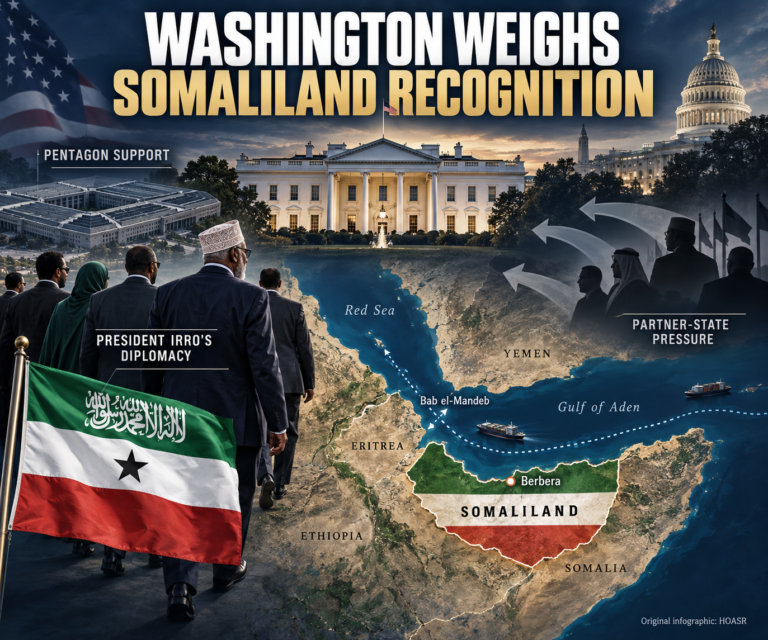
The June 5, 2025 article by Rocco Caldero, “Somaliland’s Geopolitical Comeback: How a Forgotten State Is Shaping the Horn of Africa,” in the Rio Times, delivers a sharp, timely analysis of a region long overlooked yet increasingly vital to global strategic calculations. The article effectively captures how Somaliland—an unrecognized yet remarkably stable de facto state—is no longer waiting passively on the sidelines of international politics. Instead, it is boldly forcing its way into the global conversation, armed with strategic geography, diplomatic acumen, and the vacuum of credible alternatives in the Horn of Africa.
Caldero’s core argument is compelling: Somaliland’s momentum is no longer just an internal affair; it is now reshaping the regional and global order. As Kenya, the UK, and the US inch closer to diplomatic overtures or outright recognition, a cascade of geopolitical consequences is set to follow. In particular, Caldero rightfully flags Kenya’s quiet engagement and the reported movement within Trump’s circle—especially under the “Project 2025” agenda—as key accelerants of this shift.
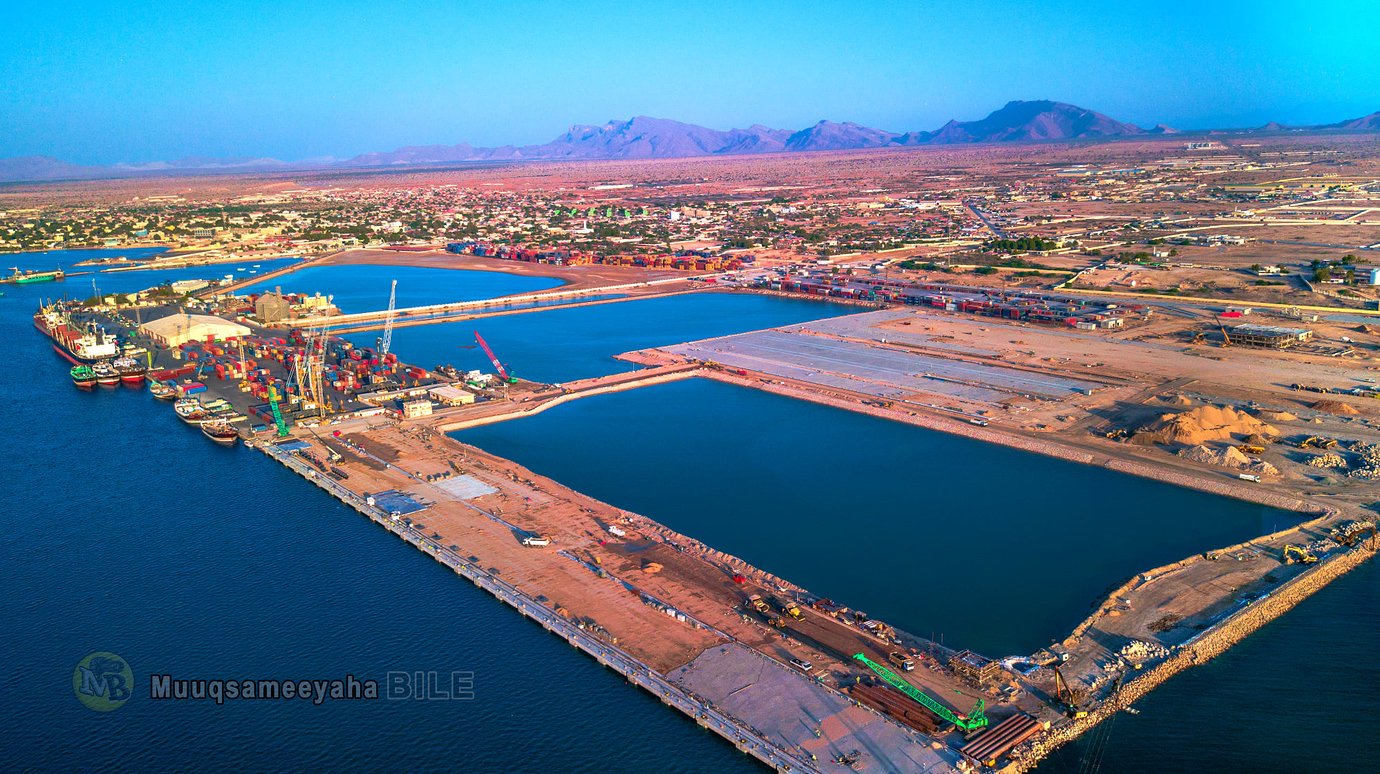
Where the article succeeds most is in tracing the converging interests of regional and global powers in Somaliland. The Berbera Port, Ethiopia’s 2024 Memorandum of Understanding, and the reported visits by senior American officials all signal that this is no longer a case of diplomatic speculation. Somaliland is being seriously considered as a geopolitical asset—both as a counterweight to Chinese influence in Djibouti and as a potential pressure point in Red Sea security.
However, Caldero’s article could have delved deeper into the domestic implications of this comeback for Somaliland itself. While external recognition may boost economic prospects and legitimize state institutions, it also raises expectations and scrutiny. The internal political consensus in Hargeisa must be maintained, especially ahead of elections and amid growing pressure from external actors who may view Somaliland as a convenient pawn rather than a sovereign partner.
Moreover, the analysis somewhat underplays the volatility that could result from these maneuvers. Somalia’s likely response, combined with Egypt’s opposition and Djibouti’s economic vulnerabilities, creates a combustible environment. A miscalculation could trigger regional instability—undermining the very strategic stability Somaliland offers.
Still, the broader message of the piece is clear and warranted: ignoring Somaliland is no longer tenable. For decades, the international community preached stability, Democracy, and self-determination, while rewarding warlords and failed states like Villa Somalia with legitimacy. Somaliland’s model—a functioning government, repeated elections, and relative peace—offers a different story. Now, it demands a different response.
Whether the US and its allies move from symbolic gestures to official recognition remains to be seen. But as Caldero underscores, the winds are shifting. Somaliland may be “forgotten” no more. And in that shift lies not just a regional recalibration—but a challenge to the norms of international recognition, sovereignty, and the balance of power in one of the world’s most strategically charged regions.
Verdict: A timely, incisive article that forces the world to reckon with Somaliland’s legitimacy—not just as a theoretical question, but as a geopolitical reality in the making.

Prof. Nassir Hussein Kahin is a researcher, educator, journalist, and geopolitical analyst specializing in the Horn of Africa, the Red Sea, international law, diplomacy, and strategic affairs. To read Full Bio click on this link: ABOUT THE AUTHORProf. Nassir Hussein Kahin