By Prof. Nassir Hussein Kahin, Executive Managing Editor.
The United Nations Security Council’s approval of the African Union Transition Mission in Somalia (AUSSOM) mandate on January 1, 2025, marks a pivotal moment for the Horn of Africa. Somalia’s exclusion of Ethiopian troops from the new mission, despite Ethiopia’s three decad—long contributions to combating terrorism in the region, represents a diplomatic blow to Ethiopia and threatens to unravel the fragile Ankara Agreement signed between Somalia and Ethiopia in December 2024. This latest development has far-reaching implications for the region, where the interplay of geopolitical rivalries, proxy wars, and shifting alliances could significantly alter the balance of power.
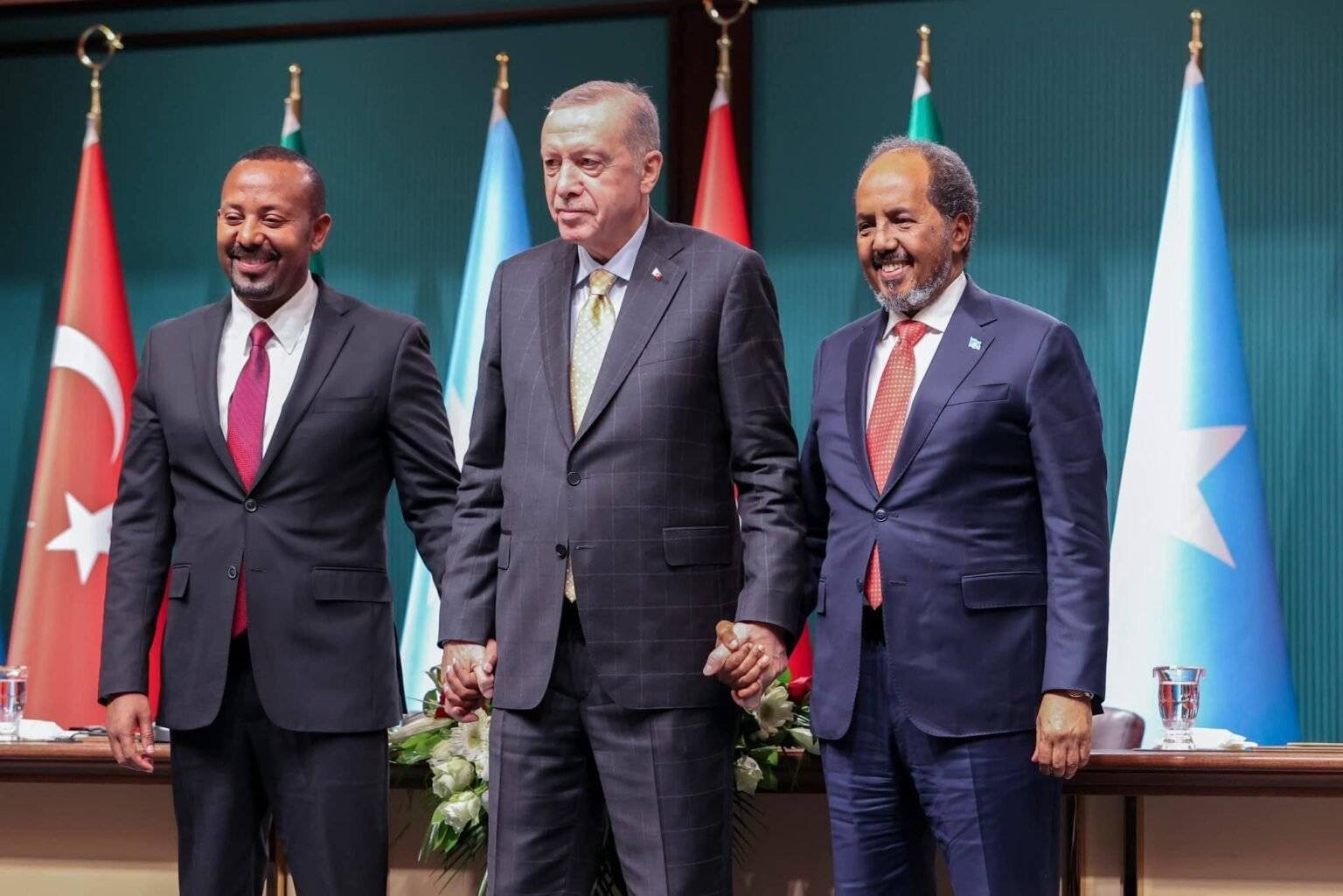
The Ankara Agreement, mediated by Turkey, sought to secure Ethiopian commercial access to the Red Sea through Somalia (realistically impossible without the Berbera Port which is Ethiopia’s number one choice) while emphasizing cooperation and mutual respect between the two nations. However, the AUSSOM mandate disrupts this delicate balance by effectively sidelining Ethiopia—a nation that has shed blood and resources to stabilize Somalia for nearly 30 years. Ethiopia’s forced exclusion from the mission is a stark contradiction to the recognition of its sacrifices by ”hand and finger-licking” one Hassan Sheikh Mahamud who even uttered that Ethiopian troops would continue its mission while signing the shady Ankara Agreement.
Ethiopia now faces a dilemma:
1. Retreat or Stay? Ethiopia risks creating a power vacuum if it withdraws its troops from Somalia entirely. Such a vacuum could embolden tribal armed terror groups and other extremist factions, posing direct threats to Ethiopia’s sovereignty along its conflict-ridden borders.
2. Undermining Ankara’s Promises: With no assurances of Ethiopia’s security interests being honored, the Ankara Agreement may collapse, leaving Ethiopia with little incentive to cooperate with Somalia on Red Sea access or broader regional stability.
Ethiopia’s Red Sea Strategy: The MoU with Somaliland
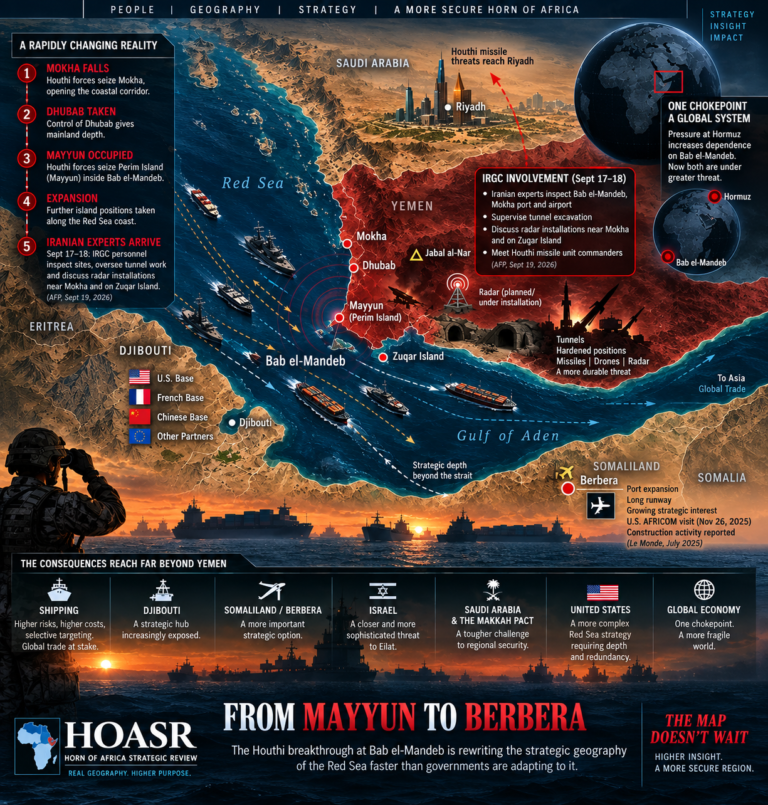
Faced with diplomatic isolation in Somalia and the collapse of the Ankara Agreement, Ethiopia will likely double down on its Memorandum of Understanding (MoU) with Somaliland. Somaliland, with its stable governance and strategic Berbera port, presents Ethiopia with an alternative route to the Red Sea. While unrecognized internationally, Somaliland’s growing relationship with the West—particularly the United States—offers Ethiopia a reliable partner for its maritime ambitions.
The consequences of Ethiopia pursuing the Somaliland MoU are significant:
1. Somaliland Gains Recognition: Ethiopia’s alignment with Somaliland could accelerate the international recognition of Somaliland’s independence, particularly if the United States, expedites recent bill introduced in the U.S. Congress, leads the way. This would mirror the Kosovo precedent, where strategic interests trumped regional sensitivities.
2. Somalia’s Isolation: Somalia’s diplomatic standing could suffer as its “One Somalia” policy becomes increasingly untenable. The fragmentation of Somali unity weakens its position in regional and international politics.
Proxy Wars Intensify
The collapse of the Ankara Agreement and Ethiopia’s pivot to Somaliland will exacerbate existing rivalries and proxy wars in the Horn of Africa:
1. Egypt vs. Ethiopia: Egypt, already at odds with Ethiopia over the Grand Ethiopian Renaissance Dam (GERD), will exploit Ethiopia’s vulnerability by deepening its involvement in Somalia. Egypt’s inclusion in AUSSOM is a direct affront to Ethiopia’s interests, as Cairo seeks to counter Ethiopian influence and destabilize the region By part in the new UN peacekeeping mission.
2. China and Djibouti: China, a dominant player in Djibouti, will likely increase its support for Somalia to undermine Ethiopia’s alignment with Somaliland. Djibouti, fearing the loss of Ethiopia’s dependence on its port, will also seek to disrupt Ethiopia’s Red Sea ambitions.
3. Eritrea’s Opportunism: Eritrea, the elusive swing player, will leverage Ethiopia’s challenges to expand its influence in the region, potentially aligning with Somalia to counter Ethiopia’s growing ties with Somaliland.
4. Turkey and the U.S.: Turkey’s mediating role in the Ankara Agreement has faltered, weakening its influence in the region. Meanwhile, the United States, driven by strategic interests, is poised to recognize Somaliland, but this will likely upset the status quo in the short run, but will eventually stabilize the fragile regional order.
Consequences for Regional Stability
The interplay of these developments threatens to plunge the Horn of Africa into deeper instability:
1. Security Vacuum: Ethiopia’s diminished role in Somalia increases the likelihood of violent terroristic resurgence, jeopardizing regional security.
2. Shifting Alliances: The fragmentation of alliances, with Ethiopia pivoting to Somaliland and Somalia drawing closer to Egypt and China, will create unpredictable dynamics.
3. Geopolitical Competition: The Horn of Africa will become a battleground for global powers, with the United States ready to counter the growing geopolitical powers of China, Turkey and Egypt vying for influence while exacerbating local conflicts in the Horn of Africa region.
The Kosovo Parallel: Somaliland’s Path to Recognition
Despite the short-term diplomatic fallout, the United States is likely to recognize Somaliland as an independent state, drawing a clear parallel to its actions in Kosovo. This bold move would solidify American influence in the region, counter China’s growing footprint, and provide Ethiopia with a reliable Red Sea partner. However, such recognition would come at the cost of strained relations with Djibouti, Somalia, and Egypt.
The recognition of Somaliland would also:
1. Shift the Geopolitical Landscape: A recognized Somaliland would attract international investment, transforming the Berbera port into a key hub for global trade and security.
2. Undermine Somalia’s Unity: Somalia’s inability to prevent Somaliland’s recognition would mark the definitive end of its “One Somalia” policy, already fragmenting with Puntland and Jubaland beyond its jurisdiction.
3. Strengthen Ethiopia’s Position: With access to the Red Sea secured, Ethiopia would emerge as a stronger regional player, capable of countering its adversaries.
A Bold New Order in the Horn of Africa
The AUSSOM mandate, the collapse of the Ankara Agreement, and Ethiopia’s pivot to Somaliland are reshaping the Horn of Africa. The region stands at a crossroads, with alliances fracturing and new power dynamics emerging. While the immediate future is fraught with uncertainty and conflict, the long-term trajectory points to a new order where Ethiopia and Somaliland play central roles.
For the United States, the recognition of Somaliland as the “Kosovo of Africa” is not just a strategic necessity—it is an inevitable step in a region where stability is both elusive and indispensable. The Horn of Africa, long a theater of ambition and betrayal, enters a new act in its tragic and ever-evolving drama. That is why is critical time to recognize Somaliland which offers a safe strategic location in partnership with Ethiopia rescue the Horn of Africa and its strategic Red Sea waterways with “A Bold New Order”.

Prof. Nassir Hussein Kahin is a researcher, educator, journalist, and geopolitical analyst specializing in the Horn of Africa, the Red Sea, international law, diplomacy, and strategic affairs. To read Full Bio click on this link: ABOUT THE AUTHORProf. Nassir Hussein Kahin