By reclaiming its sovereignty in 1991, Somaliland reverted to its original borders (of British Somaliland) adhering to the very principle of territorial integrity the AU claims to uphold.
By Professor Nassir Hussein Kahin
For more than thirty years, Somaliland’s quest for international recognition has been treated as a legal debate—an unresolved question tied to colonial borders, African Union principles, and diplomatic caution. That era is ending.
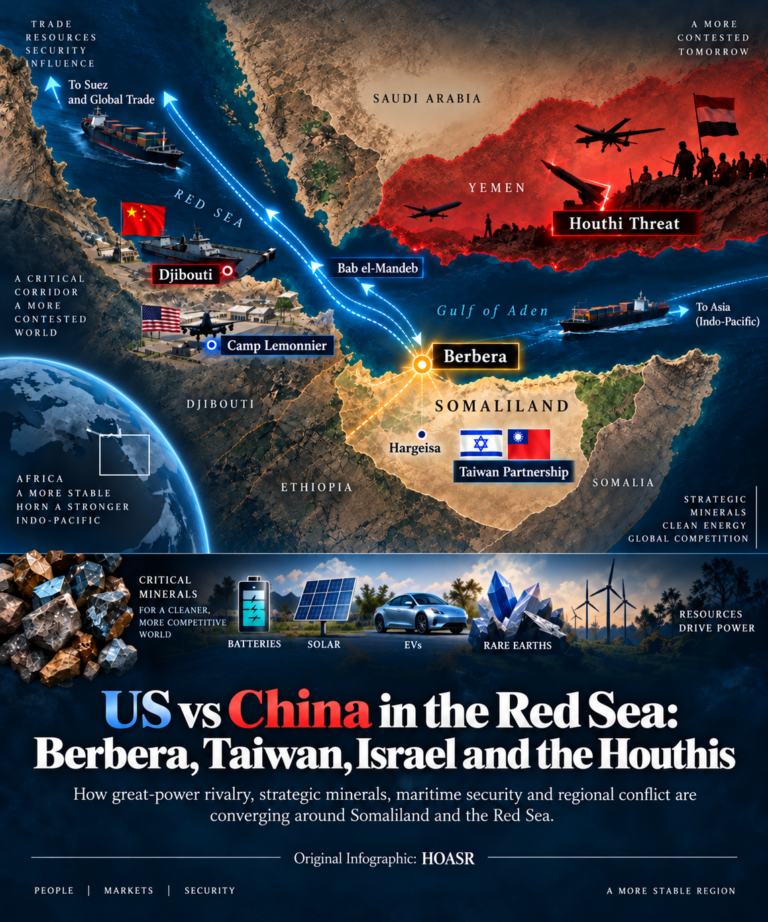
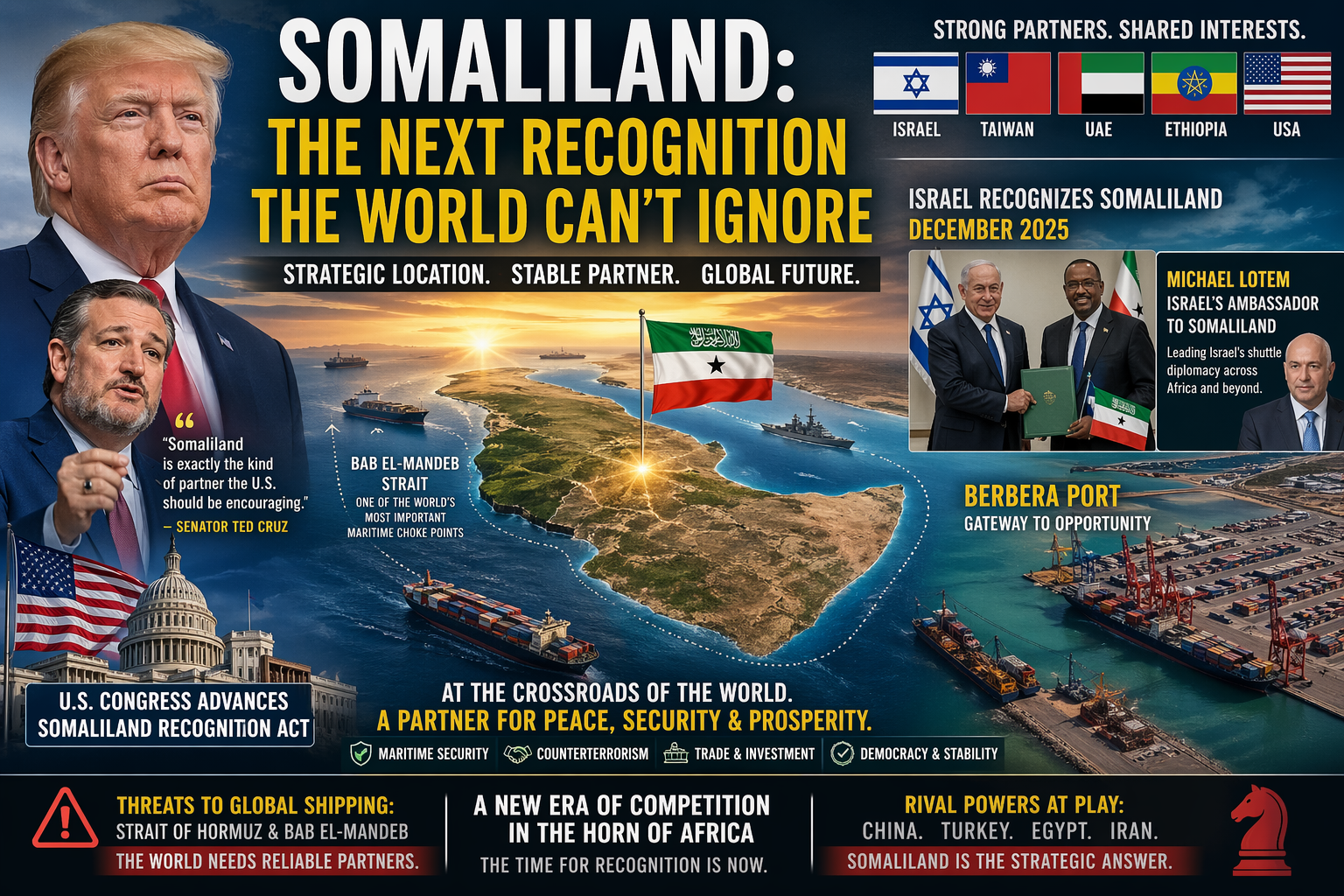
Today, Somaliland is no longer simply a case of history or law. It has become a strategic prize at the center of Global Power Competition, where the interests of the United States, Israel, Ethiopia, Gulf states, and major world powers are colliding along one of the most critical maritime corridors on earth.
At the heart of this shift is a simple reality: geography has overtaken diplomacy.
Somaliland sits along the Gulf of Aden, overlooking the Bab El-Mandeb Strait—a narrow passage through which a significant portion of global trade flows between Europe, Asia, and the Middle East. In an age of rising insecurity, this location has become invaluable.
With Iran threatening disruptions in the Strait of Hormuz and Houthi forces in Yemen targeting Red Sea shipping lanes, global powers are urgently seeking reliable partners along these routes. In this context, Somaliland is no longer peripheral. It is central.
This is why policymakers in Washington are increasingly shifting their tone.
Ted Cruz recently described Somaliland as “exactly the kind of partner the United States should be encouraging,” pointing to its stability, democratic governance, and cooperation in counterterrorism and Maritime Security. His growing optimism that Donald Trump could recognize Somaliland reflects a broader change taking place in U.S. strategic thinking.
From Congress to the White House
Momentum is no longer confined to speeches. It is moving through legislation.
The proposed Somaliland Recognition Act—alongside earlier efforts such as Congressman Scott Perry’s initiatives—signals that the issue has entered formal U.S. policymaking. What was once discussed quietly is now being debated openly in Congress, framed not as a symbolic gesture but as a matter of national security.
For Washington, the calculation is increasingly clear:
- Secure maritime routes
- Counter Chinese and Iranian influence
- Strengthen reliable regional partners
Somaliland checks all three boxes.
Ethiopia’s Red Sea Imperative
If one factor has accelerated Somaliland’s strategic relevance more than any other, it is Ethiopia.
Ethiopia—Africa’s second most populous nation—has been landlocked for decades. Its dependence on Djibouti for port access has long been seen as unsustainable. Addis Ababa has made it clear that access to the Red Sea is not optional. It is a national priority.
Recent developments, including Ethiopia’s rejection of Djibouti’s proposals in favor of more sovereign and secure access arrangements, highlight a deeper ambition: not just access, but control, reliability, and long-term strategic independence.
Somaliland offers exactly that.
A recognized Somaliland could provide Ethiopia with a stable maritime outlet through Berbera—transforming the economic and geopolitical balance of the Horn of Africa.
Israel Breaks the Barrier
The turning point came when Israel formally recognized Somaliland in December 2025.
This was not merely symbolic. It shattered a 30-year diplomatic barrier and proved that recognition was no longer theoretical.
At the center of this effort is Michael Lotem, Israel’s newly appointed ambassador. His role extends beyond representation. He is actively engaged in what observers describe as shuttle diplomacy—quiet, strategic outreach across Africa and beyond, encouraging other nations to follow Israel’s lead.
Israel’s interests are clear:
- Securing Red Sea maritime routes
- Countering Iranian influence near Yemen
- Expanding alliances under the Abraham Accords
In Somaliland, Israel sees a stable, willing partner positioned exactly where it matters most.
Taiwan’s Quiet Influence
While Israel’s move was dramatic, Taiwan has played a quieter but equally important role.
Since 2020, Taiwan has built strong diplomatic and developmental ties with Somaliland, helping normalize its international presence. More importantly, it has helped frame Somaliland as part of a broader network of democratic, resilient partners resisting pressure from larger powers.
This alignment has strengthened Somaliland’s standing in Washington and among Western allies.
The Next Recognitions: Who Could Follow?
The question now is not whether recognition will spread—but who will move next.
While no outcomes are guaranteed, several countries stand out based on strategic interests:
- The United States, where congressional momentum is building
- The United Arab Emirates, deeply invested in Berbera Port and aligned with Israel under the Abraham Accords
- Ethiopia, driven by its long-term need for secure sea access
Other potential followers may emerge within the broader Abraham Accords network, though many will proceed cautiously, balancing regional and diplomatic pressures.
A Growing Global Rivalry
Somaliland’s rise comes at a time of intense geopolitical competition.
On one side:
- The United States and its allies
- Israel
- Taiwan
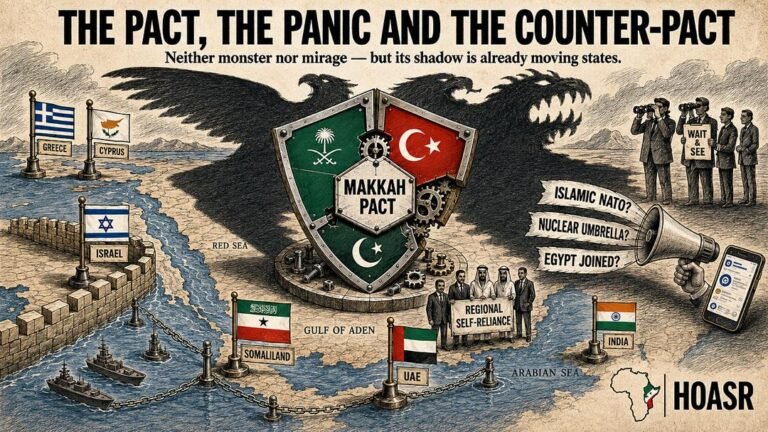
- Gulf partners aligned under evolving strategic frameworks
On the other:
- China, expanding its influence through infrastructure and diplomacy
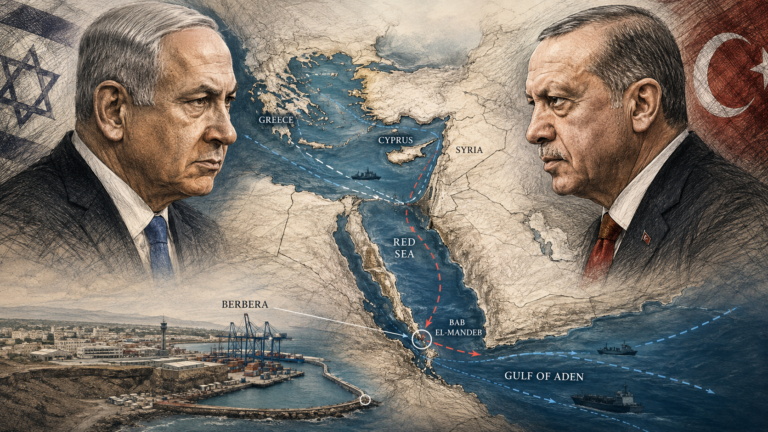
- Turkey, deeply embedded in Somalia
- Egypt, navigating its own regional rivalries
This is no longer a local issue. It is part of a wider contest stretching from the Red Sea to the Indo-Pacific.
The Abraham Accords in the Background
The Abraham Accords have quietly reshaped the diplomatic landscape. They have created new channels for cooperation between Israel and key Arab states, opening space for strategic alignment on issues like maritime security and regional stability.
While not all Abraham Accords countries are ready to recognize Somaliland immediately, the framework enables gradual coordination—making future recognition more plausible than ever before.
A Window That May Not Stay Open
History often moves slowly—until it suddenly accelerates.
Somaliland now stands at a critical moment where multiple forces are converging:
- U.S. legislative momentum
- Israeli diplomatic leadership
- Ethiopia’s strategic urgency
- Taiwan’s steady engagement
- Rising threats to global shipping routes
- Intensifying competition among global and regional powers
Recognition is no longer just a matter of principle. It is becoming a matter of strategy.
And in that shift lies Somaliland’s greatest opportunity—and perhaps its closest moment yet to achieving the international recognition it has sought for more than three decades.

Prof. Nassir Hussein Kahin is a researcher, educator, journalist, and geopolitical analyst specializing in the Horn of Africa, the Red Sea, international law, diplomacy, and strategic affairs. To read Full Bio click on this link: ABOUT THE AUTHORProf. Nassir Hussein Kahin